

Why Stickers Peel and How to Make Yours Hold
A sticker holds when three things line up: a clean surface, a smooth one, and a little time to bond before it gets wet or handled. Get those right and a good sticker stays put for years. Peeling almost always traces back to one of the three being off, which is good news, because all three are things you control before you ever apply it.
Peeling how, and when
The timing of a lift is the biggest clue to its cause:
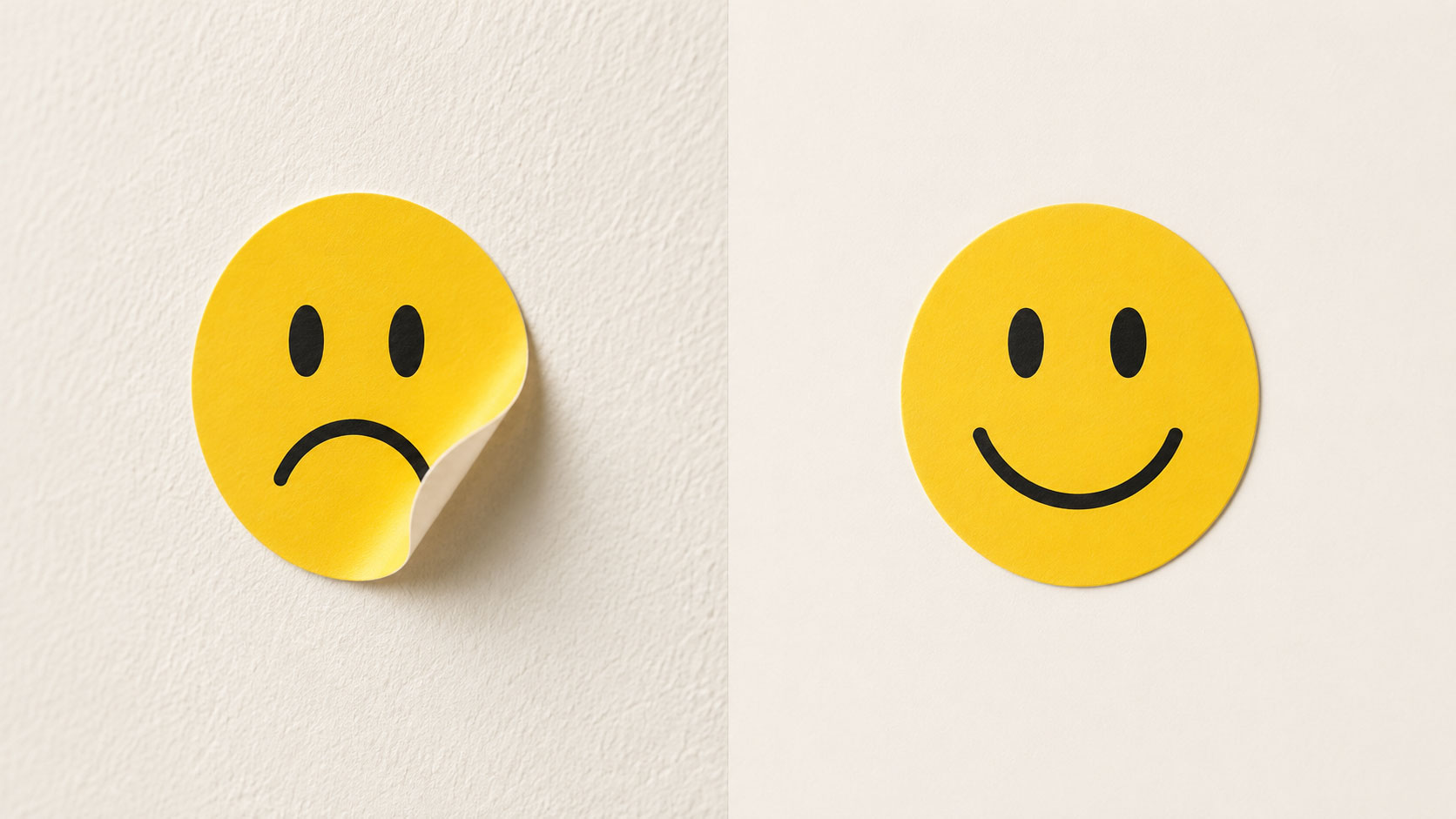
- Lifted at the edges within a day or two – the surface wasn’t fully clean or dry, or the sticker got wet before it finished bonding.
- Never really stuck from the start – a textured, curved, or low-energy surface the adhesive couldn’t grip.
- Held for weeks, then let go – the environment: heat, cold, repeated washing, or sun working on the bond over time.
- Corners curl, center holds – a slight surface texture, or a curve tighter than the material likes.
Match yours to the timing, and the fix usually names itself.
Smooth, hard surfaces are where stickers thrive
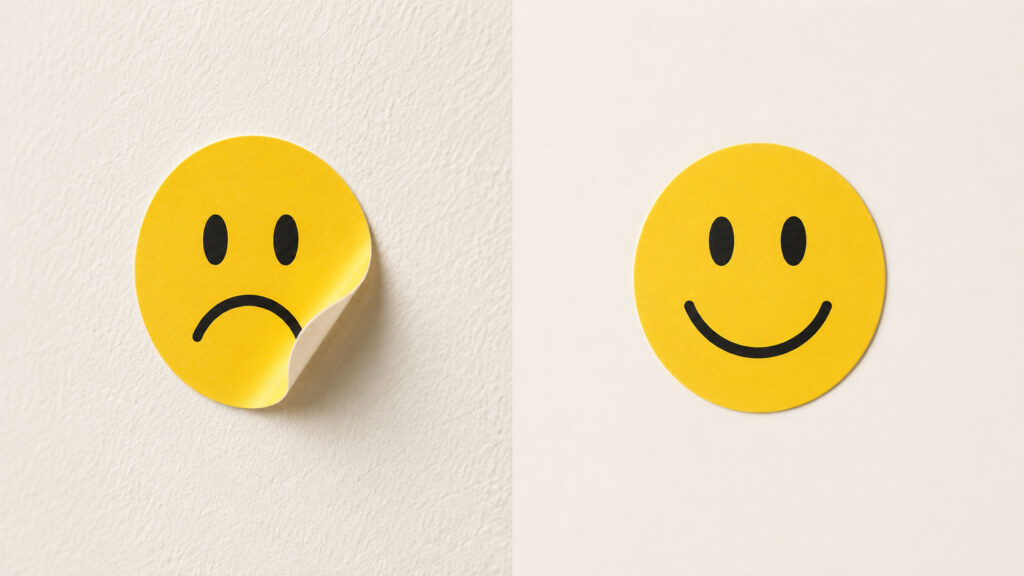
Adhesive grips best on clean, smooth, hard surfaces, glass, hard plastic, painted metal, a laptop lid. On those, it makes full contact and holds for the long haul. That’s most of the surfaces people actually use, which is why most stickers stay put without any thought at all.
The surfaces that give trouble share one trait: the adhesive can’t touch all of them. Textured or matte-rough finishes only meet the glue at their high points, so the real bond is a fraction of what it looks like. Powder-coated metal, some soft-touch plastics, and raw wood are the usual ones they feel smooth but they’re built to release. Low-energy plastics like polypropylene and polyethylene (many food tubs, some bottles) resist most adhesives by nature. Knowing that up front means picking a better surface, not fighting a losing one.
The first 48 hours are where it’s won
Adhesive doesn’t hit full strength on contact it keeps bonding for a day or two as it settles into the surface’s microscopic texture. Give it that window and it locks in properly.
This is the easiest thing to get right, and the most common one missed. Apply the sticker, press it down from the center outward to push out the air, and then leave it dry and undisturbed for a couple of days before it meets water. A sticker that goes straight into a dishwasher or a shower never got the chance to set, the material was fine, it just wasn’t given its 48 hours.
Matching the material to where it’s going
For the long haul, the material does the heavy lifting. A laminated or vinyl material shrugs off moisture, heat, and sun far better than an uncoated paper one, which is why the same design can last for years outdoors on one material and lift in a month on another.
So the durability decision happens before you order, not after. Somewhere wet, sunny, or hot? That’s a material choice, and choosing the right one up front is the whole difference between a sticker that lasts and one that doesn’t.
The check that gets it right the first time
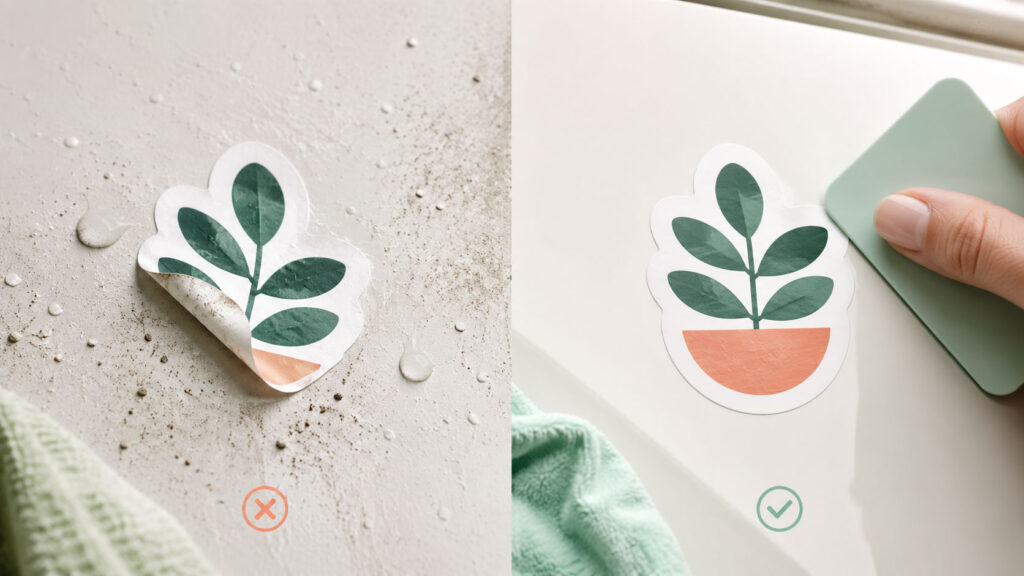
Run the surface before you apply. Clean, no dust, grease, or fingerprints? Dry? Smooth and hard rather than textured or soft-touch? A quick wipe with isopropyl alcohol and a full dry does more for adhesion than anything else you can do. Then apply from the center out, and give it two dry days before water.
Do that on a smooth, hard surface and it’ll hold. If one still lifts after all of that, the answer’s moved past technique, that’s a material or product question worth a quick message to support.
What we recommend
Clean the surface first, that single step is the biggest factor in whether a sticker holds. Press from the center outward to clear trapped air. Give it 48 dry, undisturbed hours before water. And match the material to the spot: for anything wet, outdoor, or high-heat, choose a laminated or vinyl material built for it.
If a surface is textured, rubbery, or a low-energy plastic, that’s just physics, pick a smoother spot and the same sticker holds fine.
When to contact support
Reach out if a sticker lifts on a clean, smooth, hard surface applied correctly, or if you’re picking a material for a demanding spot, outdoor, frequent washing, high heat, and want to confirm the right one before ordering. Matching the material up front beats reordering later.
FAQ
Why do stickers peel at the edges?
Edges lift first because the adhesive is most exposed there. Usually the surface wasn’t fully clean or dry at application, or the sticker met water before it had a day or two to bond.
How do I make a sticker stick better?
Clean the surface with isopropyl alcohol and let it dry, apply from the center outward to push out air, and leave it dry for about 48 hours before exposing it to water. Clean, smooth, hard surfaces hold best.
How long before I can get a sticker wet?
Around 48 hours, dry and undisturbed. Adhesive keeps bonding for a day or two after application, and water in that window can stop it setting.
What surfaces do stickers stick to best?
Clean, smooth, hard ones, glass, painted metal, hard plastic, laptop lids. Textured, soft-touch, and low-energy plastics are the tricky ones.
How do I make stickers last outdoors?
Choose a laminated or vinyl material rather than uncoated paper. The material handles moisture, heat, and sun far better and is the main factor in how long an outdoor sticker lasts.
Do stickers stick to matte or textured laptops?
Less reliably, matte and soft-touch finishes only meet the adhesive at their high points. A smooth, hard lid holds best.
 Staff
Staff